14 Tips For A Stress-Free Visit To The Dog Groomer
Michael Miller
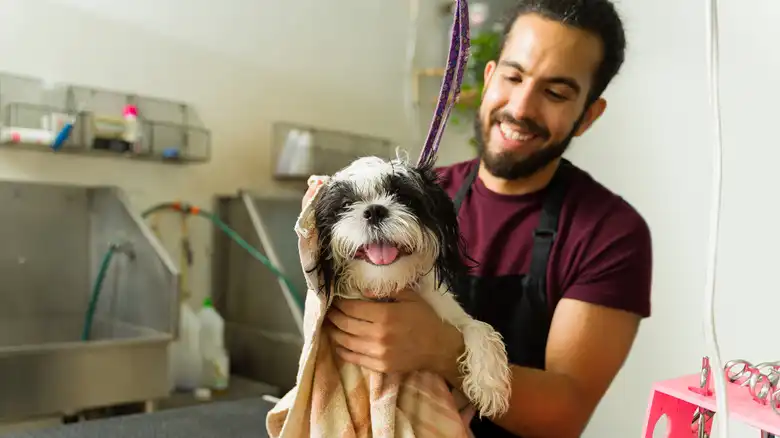
DogsDog Grooming14 Tips For A Stress-Free Visit To The Dog GroomerByLisa MaloneyMarch 22, 2025 9:05 am ESTantoniodiaz/ShutterstockWe may receive a commission on purchases made from links.Maybe you've adopted a long-haired dog you already know will need special grooming throughout its life, or perhaps your dog just won't sit still enough to let you trim its claws at home. Regardless of your exact situation, a professional dog groomer can — and should — become your and your pooch's best friend.That doesn't mean you have to blow your entire budget on grooming services, but if you notice your dog's fur becoming dull, matted, or tangled; its claws getting overly long; or evidence of parasites or impacted anal glands, you're finding clear indicators that it's time to seek a groomer's help. Some dogs genuinely need your help to keep their naturally long fur out of their eyes, too.Regardless of the reasons for your visit, the unfamiliar sights and sounds of a groomer's clinic, from buzzing clippers to roaring hair dryers and unexpected baths, can be stressful for both you and your dog. Thankfully, the following 14 tips can help the process go more smoothly. Practice makes perfect with dog groomingValeria Titarenco/Getty ImagesSome dog breeds are better than others at adapting to new experiences. Still, a groomer will be working around sensitive body parts like your dog's face, paws, belly, and hind end, all of which would make any pooch nervous if it's not been through the process before. You can help by gently desensitizing your dog to as much of the process as you're able to simulate at home. For example, practice bathing and brushing your dog, starting gradually and giving it lots of treats so it already has a positive association with some of the nuts and bolts of grooming before going for its first appointment. If that's too much, just practice handling its paws and, again, rewarding even a single moment of calmness with treats. Another element you can practice ahead of time is letting your dog be around the noise of a hair dryer and feeling the air currents on its fur. Don't reward whining and other acting out with treats, but do reward moments of calm and quiet. As long as you're using jackpot treats (whether especially nice ones or a more copious amount) that your dog loves, it should make the connection quickly. What if you have one of the rare pups who isn't terribly food-motivated? First, try a few different treats to make sure the food you're offering isn't the issue. If your dog still isn't interested, find out what else makes it tick, and use that as a reward. Often, dogs who aren't very food-motivated will respond favorably to praise or a short play session with a favorite toy.Start taking your dog to the groomer youngSeventyFour/ShutterstockYou won't always have the chance to desensitize your dog to handling when it's young, but puppies are cute little sponges designed to soak up new stimuli and experiences. So, the sooner you can introduce your pup to the basic elements of grooming and even take it to the groomer for the first time — all while taking care to be sure you're building bridges of positive associations between those new experiences — the easier it will be for it to accept that this is simply how the world works. Even if your puppy doesn't need to be groomed yet, it's good to help it get used to both the groomer and their tools before any needs become urgent.What if you're getting a late start? Better late than never, as they say, and both you and your dog will still benefit from starting desensitization as soon as possible. That early start also gives you the time to progress slowly at your dog's pace and to accommodate your own learning curve as you figure out how your dog prefers to be handled.Give your dog practice car rides, toomistahhh/ShutterstockUnless you find the rare mobile groomer that can come to you or you live in a place where you can get around by public transit, car rides are an inescapable element of the grooming process. And despite the positive cliché of dogs who freaking love going for car rides with their head hanging out of the car window, not all dogs love loading up for a ride. Although you may not convince a car-reluctant dog to truly enjoy a car ride, there's a lot you can do to help it make peace with the idea.The first trick up your sleeve is gentle, ongoing exposure that gives your dog an opportunity to develop positive associations with being in the car. As with everything else, progressing slowly is key. You might start simply with loading into and out of the car, accompanied by rewards. If there's a carrier involved, practice loading in and out of the carrier, too. Once you've accomplished that, get your dog used to being in the car with it running. Finally, try short trips, and gradually progress to longer ones.These practice runs also give you an opportunity to clue in to whatever might be causing your dog's discomfort. Perhaps your small dog's discomfort has nothing to do with being in the car but is all about its carrier. Or, maybe your big dog is fine with sitting in the car at a standstill but gets genuinely sick when the car is in motion. If that's the case, your vet might be able to prescribe anti-motion-sickness medication to help. Other tricks you can try to help make the car environment more comfortable include keeping the car interior cool, limiting food and water for a few hours before the trip, and giving your dog a good workout before you get in the car to help it rest.Know what to expect at your dog-grooming appointmentOscar Wong/Getty ImagesThis one is less about your dog and more about you: Have you ever been to a dog groomer or seen one at work? Do you understand the grooming procedures that your dog will need? The calmer you are, the calmer your dog will be. So, if you're feeling any stress or fear of the unknown, resolving it beforehand will be better for everybody involved.That can look a few different ways. It might mean asking a few questions over the phone or by email or meeting the groomer ahead of time to feel out their vibe and ask questions in person. You might also deep-dive into the topic, chasing down everything from how to pick the right brush for your dog to what makes it easier to trim your dog's nails. This sort of "pre-gaming" approach is also an opportunity to make sure you know what you need to bring to the grooming appointment. At a minimum, most groomers will want you to have your dog's leash and collar, a carrier if it's small, and proof of up-to-date vaccinations (especially rabies).Get your dog's zoomies out before your grooming appointmentOscar Wong/Getty ImagesYou can help your dog be on its best behavior at the grooming clinic — and make the process of getting there easy for yourself, too — if you help it get some energy out beforehand. Choose something you know that you and your dog can enjoy together, whether that be going for a long walk, having a nice play session, or even practicing training and obedience, to help tire it out so it'll be more mellow during the grooming appointment. Some pet owners use calming treats like the StrellaLab Calming Hemp Chews to help their dog mellow out, but even in that case, there's nothing like a good play session to take the edge off your pup's energy levels.Check in with your vet before taking your dog to the groomerLourdes Balduque/Getty ImagesIf you've checked all the boxes for training, acclimation, and treats but still can't help your dog relax enough to get through the grooming process, it's time to check in with your vet. They might be able to offer you medications to make the process easier or screen your dog for any physical conditions that might be making the grooming process more difficult. Seize the opportunity to make sure your dog is current on vaccinations, too, as showing up with an unvaccinated pet is a deal-breaker at many grooming clinics. Finally, if the vet gives your dog a clean bill of health but leaves you still hunting for solutions, consider consulting a dog trainer or behaviorist. Despite the moniker, dog trainers often spend a lot of their time training the human in the equation — you! — in how best to support your dog. If you've been unknowingly communicating your own stress about grooming appointments (or life in general) to your dog, a good trainer will be able to help you identify that and give you some cues on how to get everyone onto a more even keel.Start taking your dog to the groomer before it's urgentAmorn Suriyan/ShutterstockDon't wait until your dog is in dire need of a groomer's attention before you take it in. Ideally, you want to take your dog in for a gentle getting-to-know-you grooming appointment before it really needs anything so that it can build a positive association with the experience and the groomer. This is also an opportunity to expose your dog to the groomer's tools, including those noisy and notoriously scary hair dryers, without any of the pain and discomfort that might be associated with, say, clipping mats and tangles out of its fur.This quick, easy appointment is also an opportunity to see if the groomer and your dog are a good fit, as well as to get a solid idea of what sort of periodic grooming or ongoing home maintenance your dog may need. Be honest with your dog groomerIuliia Bondar/Getty ImagesOur pets are all perfect angels at home, of course, but navigating a new and stressful situation with a stranger handling your paws and face, bathing you, and probably even blow-drying you is enough to bring out the quirks in anyone. If you have any idea what those quirks might be for your dog — ranging from aggression to fearful reactivity and other stress-induced behaviors, including nipping — be open with your groomer so they know what to expect. Just as importantly, be honest with the groomer about your dog's grooming condition and which services it needs. You groomer will be able to figure it out, but you might be able to save everyone a lot of time. And if you're dealing with a rescue dog and don't have any idea of how it might react, be up front about that, too. A seasoned groomer will have dealt with almost any dog behavior you can imagine, but the more they know about your dog and its behaviors in advance, the more successful the encounter will be for everybody. Give the dog groomer some spacePixel-Shot/ShutterstockOur pets react differently when we're in their space as opposed to when they're on their own, and they especially tune in to any elevated stress on your part. Unless you're the calmest person on the planet (and possibly even then), it'll be easier for your dog if you resist the urge to check in on it during the grooming appointment. As helpful as that might feel for you, it can disrupt your dog's opportunity to bond with the groomer and might even lead to injuries if your presence inspires your dog to move around while the groomer is wielding sharp scissors. Being really anxious about leaving your dog could be an indicator that you haven't yet found the right groomer for your dog's needs.Take care of minor grooming at homeEmilija Manevska/Getty ImagesOnce your dog's grooming appointment is complete, the groomer might send you home with some instructions for upkeep between appointments. Odds are good that daily or near-daily brushings will be on the list because it's one of the best ways to prevent mats and tangles. Let those snarls take hold in your dogs fur, and you might find it destined for a full shave instead of the cute trim you were looking forward to.Your groomer might also send you home with a list of things not to do. One of the most likely no-go items is giving your dog frequent baths, as they can dry out its skin to the point of hair loss in extreme cases. But the groomer might also instruct you to not clean your dog's ears on your own or to not trim around its face due to the hazard of using sharp scissors near your pup's eyes (or scissors that aren't sharp enough to cut cleanly through your dog's fur).Be on time for your dog-grooming appointmentDomoyega/Getty ImagesThis might seem like a no-brainer, but being on time is one of the most-frequent requests you'll see from groomers. Think about it: A timely drop-off and pick-up is less stressful for you, your dog, and your groomer, as it ensures your dog gets the full appointment time you paid for and minimizes the time it spends waiting for its turn in a carrier, crate, or pen. And, of course, dropping your dog off on time increases your odds of making a timely pick-up, too.Even if you're hoping for a quick, in-and-out experience, you should make sure your dog is toileted just before you go to the groomer. That'll make the whole experience more comfortable for your dog and reduce the chances of your groomer having to deal with a messy accident if your pup gets too nervous while on the grooming table. Be specific in your dog-grooming requestsAYO Production/ShutterstockHave you ever gone in to the barber or hairdresser with a clear picture of what you want in your mind's eye and then walked back out with something very different on your head? The same breakdown in communication can happen with your dog groomer, so help them help you by being very specific about what you want done to your dog. If you're not entirely sure what that entails, start by asking questions. Your groomer should be able to offer you a menu of procedures that your pet might need done depending on its breed and condition, such as shaving fur around the mouth and eyes for particularly thick-coated dogs or, in what is absolutely not every groomer's favorite task, expressing your dog's anal glands. Lastly — and this is very important — if you want a specific cut or look, bring pictures of that look with you to help everyone be on the same page before the scissors and clippers come out. This better ensures that your dog's new hairdo will actually be what you were hoping for.Research the dog groomer in advanceAYO Production/ShutterstockNot every groomer is going to be the right fit for every dog, and since you're the one with Internet access, it's up to you to research to find the best fit. That could include reading online reviews, researching which services the groomer offers, or calling, emailing, and even brainstorming up some questions to ask the groomer before you leave your dog with them. Always check with the groomer before paying an in-person visit since not all of them will welcome this, but if you do manage a quick meet and greet, that is one of the best ways to make sure the groomer's vibes and working space mesh with your dog's needs. You get major bonus points if you can bring your dog along for the visit, as its reaction to the groomer will tell you everything you need to know. Also, this is an opportunity for the groomer to give you an estimate of which services your dog needs and their accompanying costs.Get ahead of the dog-grooming gameAYO Production/ShutterstockCongratulations on making it through the landmark experience of getting your dog groomed. That said, this sort of thing is rarely a one-and-done experience. Instead, have a chat with your groomer about what sort of continuing care your dog needs, and make advance grooming appointments to help you stay ahead of any issues or upkeep needs. You'll have to balance your dog's needs with the costs of grooming appointments, but don't forget that there are options for saving money on dog grooming, including not neglecting ear care at home and seeking out local groomers rather than ones at nationwide chains. Moreover, some dogs just need more (or less) upkeep than others. Either way, your spidey sense should clue you in pretty quickly as to whether the groomer is really describing a genuine need or just trying to sell you a package of appointments. In general, and to whatever extent your means allow, having slightly more frequent but easier grooming appointments is preferable to waiting until the next appointment becomes a stressful — and potentially traumatizing — endeavor.
The 12 Smelliest Dog Breeds (But We Love Them Anyway)
Michael Johnson
DogsDog BreedsThe 12 Smelliest Dog Breeds (But We Love Them Anyway)ByAdam SymchukFeb. 23, 2025 9:05 am ESTWill Rodrigues/ShutterstockWe may receive a commission on purchases made from links.Many pet parents love nothing more than cuddling up next to their furry companions. However, the unpleasant odors that often come with dogs can make it difficult to maintain the physical affection they seek. Canines emit a variety of smells with different potential meanings, including the infamous "Frito Feet," but some stenches grow so overpowering that you can notice them from a distance.Even the cleanest canine varieties can become rank without the proper care, while the most infamous stinkers can stay perfectly fresh and huggable with attentiveness towards their health. "Regular grooming, dental care and routine veterinary checkups are essential in maintaining a dog's overall well-being and minimizing odors," Dr. Kari Murdoch, DVM, shared with BeChewy. Of course, certain dog breeds are more prone to smelliness than others, whether because of known medical conditions or a high susceptibility to bacteria in their ears or skin folds. Thankfully, owners still find plenty of reasons to love them.1. Basset houndGoDog Photo/ShutterstockBasset hounds have an adorable look pet parents can't help but swoon over. Their long faces and ears have made their appearance iconic, with the breed inspiring the design behind Droopy Dog from MGM cartoons and "The Tom and Jerry Show." Yet, these little cuties can take on an odor because of these features, with skin fold and ear infections likely to occur without the right care routine. The breed also has a weather-resistant coat from its hunting days that can cause the active dogs to grow stinky when they work up a sweat and drool all over themselves.A basset hound does not need to be a smelly boy or girl. Daily brushing will help keep its coat fresh; unless it has recurring skin infections, the breed does not require regular baths. Additionally, cleaning their eyes and ears with products like Veterinary Formula Clinical Care Ear Therapy and HICC PET Eyes Wipes on a frequent basis helps prevent infections and the build-up of mucus. However, you should consult a professional if you believe an infection has already developed.Even when they smell, all basset hounds types make beloved companions. A relatively docile breed, these dogs need motivation to get going, but once they do, they overflow with personality and thrive at scent-related games. When properly socialized at a young age, the droopy-faced pups can get along great with other pets and children, making them ideal for a family living in an apartment, condo, or house.2. Bulldogharry plus harry/ShutterstockA bulldog's many skin folds can trap bacteria, making them stinky and possibly resulting in skin fold dermatitis, which can come with an even more intense odor and cause pain and other issues for the canine. Meanwhile, their droopy jowls may produce excess drool with an odor. The breed also faces a challenge many new owners don't know to account for: the "tail pocket," a small indent underneath the tail that can get infected and carry some nasty odors.Cleaning between the skin folds and targeted care for the tail pocket, including using products like Natural Dog Company Wrinkle Wipes, will help keep a bulldog itch and stench-free. "Skin fold dermatitis is a common problem in dogs with skin folds or pockets," shared Dr. Anke Hendricks in a 2022 study from the Royal Veterinary College. "Prevention or treatment of infection requires very frequent skin care or medication throughout a dog's life." Coat maintenance is also essential, with weekly or bi-monthly baths key. Make sure to dry the skin folds after bathing a bulldog to get rid of any moisture that can get trapped between them.Bulldogs have a reputation for laziness, but when given the proper motivation and exercise, these curious pups love exploring the world alongside their caretakers. The bulldog also makes a great companion for families of any size and lifestyle. Just be prepared for their overly affectionate nature towards their favorites.3. ChihuahuaWirestock Creators/ShutterstockThe mighty Chihuahua can give off a surprising amount of odor for a dog with such a miniscule body. While considered one of the healthiest breeds, these pups often experience teeth issues, with dental disease more prevalent than in other canines. Such problems stem from tartar buildup, along with teeth overcrowding due to their smaller head sizes. Halitosis, a sharp, pungent smell emitted from a dog's mouth, can develop without the proper care.Teeth overcrowding requires vet intervention, making regular check-ups essential for keeping your Chihuahua's mouth healthy. Pet parents can help prevent foul breath by regularly cleaning their dog's teeth. As daunting as it may seem, daily brushing is the best approach. A vet-recommended product like Virbac CET Enzymatic Toothpaste with a simple toothbrush can help prevent plaque build-up and the potential stench of halitosis.Stinky breath won't stop a canine lover from appreciating the Chihuahua's adorableness. A bundle of energy one moment and a lap dog the next, you'll rarely encounter a dull moment with one of these tiny warriors around. Its small size also makes the Chihuahua a convenient travel companion.4. Cocker spanielBojanstory/Getty ImagesCocker spaniels have a certain majestic quality that makes them popular show dogs, with their hair framing a wizened face with a long jaw and curly locks around their ears. Yet, they still can develop a host of potential smells. Their ears are prone to infection and need proper cleaning, and the breed also contends with a unique affliction, lip fold dermatitis, also known as "cocker mouth." The smelly condition results from a build-up of moisture and food in the beard and lower lip folds that breed bacteria.While daily toothbrushing can go a long way, consider using products like SmileDenX's Dog Dental Care Wipes to help wipe down the gums. Remain mindful of the severity of any lip fold dermatitis; if a cocker spaniel experiences excess discomfort, drool, or stench, a vet may recommend cheiloplasty surgery. Finally, a good brush at least once a week will help keep those long, luscious locks of hair from attracting an odor.A cocker spaniel can undoubtedly shine as a show dog, but the breed also makes a great pet. The adorable companion aims to please its owner, and training through positive reinforcement comes naturally. The laid-back temperament of the American or English cocker spaniel makes the doggo a wonderful roommate in an apartment or condo.5. Golden retrieverAli Peterson/ShutterstockThe golden retriever's high intelligence and trainability have made it a familiar on-screen presence. Yet, star power doesn't necessarily keep away foul odor. The dog's double coat can prove challenging for inexperienced owners to maintain, with the multiple layers of weather-resistant and thick fur trapping all sorts of smells as the canine goes about its day. Irritants in pet hair can also lead to scratching, making the retriever susceptible to pyoderma, a bacterial skin infection that gives off a rank smell.You can treat pyoderma at home, and the condition usually subsides in a couple of weeks without intervention; however, if it persists, you'll need to make a trip to the veterinarian. Bathing with products like Dr Teal's Unscented Epsom Salt and Veterinary Formula Itch Relief Medicated Shampoo can help soothe pyoderma symptoms. Golden retrievers shed a lot, so brushing every few days assists with controlling the mess, keeping their coats healthy, and allowing owners to look for signs of irritated skin.Despite issues with its coat, the golden retriever makes an ideal family dog thanks to its natural kindness. The breed prides itself on getting a head pat and often bonds with other animals, kids, and strangers. Those who live an active lifestyle also tend to fall in love with their new energetic running buddy.6. PugKolesker Anastasiia/ShutterstockPugs are one of the cutest small dog breeds in the world. However, despite their charms, these pups are notoriously stinky. While cleaning their skin folds will help prevent bacteria build-up and unwanted scents, you can't avoid one odor source: flatulence.The flat faces of pugs may be endearing, but the feature places them among the brachycephalic breeds, which means they inhale primarily through their mouths. Such air intake can result in a gassy dog, a condition pet parents can't do much about. However, paying attention to what you feed it and promoting an active lifestyle can help to work out all those farts and lessen potential foulness. "Ensuring your dog has a balanced diet will be key in reducing any gastrointestinal (GI) issues," Dr. Whitney Miller, DVM, MBA, DACVPM, advised Rover. You can try a gradual transition to an easily-digestible food with more high-quality protein.Regardless of the type of pug or pug mix, the breed is a bundle of joy, often happy and eager to please. The adorable little mouth-breathers love cuddling and splaying out on the couch but should still get moderate exercise. The breed is also famous, with Doug the Pug numbering among the wealthiest dogs ever.7. Saint BernardJan Hendrik/ShutterstockAs big doggos, Saint Bernards weigh between 120 and 180 pounds once fully grown. With such size can come a considerable stench, whether from rolling in something gross outside or their messy eating habits. Any pet parent with a Saint Bernard can tell you that when it comes to drinking water, you will get a drool trail following behind them. This excess of slobber stems in part from their working days when they used their saliva to help retrace their steps when performing rescues. However, it can create an unpleasant, smelly mess for a caretaker.If excess salivation or other concerns arise around a messy mouth, speak with your vet to identify any underlying issues. Otherwise, a Saint Bernard owner must embrace the drool and can help control the scent by properly cleaning a mess and drying off their dog's mouth after play. These pups don't need regular baths, but you should brush their coats a couple times a week to keep them from matting and trapping odors, switching to daily brushing during the shedding season. Tools like Flying Pawfect's Dog Slicker Brush are essential for owning a Saint Bernard.A true gentle giant, the Saint Bernard makes for a compassionate companion or a loyal worker. Drool need not be a deterrent for a pet parent, and some even embrace their slobbery nature. Online, you can find plenty of videos of owners showing off with pride how drooly their big boys and girls can be.8. Great DaneSabine Hagedorn/ShutterstockLooming tall amongst its peers, the great Dane can appear daunting with a standing height of over 3 feet. Despite its considerable size, the great Dane is not inherently stinky, with a coat that requires minimal maintenance and ears that, if kept clean, will likely remain free of bacterial infections. However, these majestic giants can clear a room quickly with the nasty gas common to the breed.Inflammatory bowel disease can cause a stink in any dog breed; however, your great Dane might be gassy for other reasons. Deep-chested breeds tend to toot more often, but the diet and speed with which large doggo eats can exasperate an existing issue. Knowing how much and often to feed a great Dane is essential for curbing nasty flatulence. You can achieve better gut health for a great Dane by avoiding budget food and aiming for a low-fiber and lower-fat feed. Grabbing a slow-feed dog bowl can also help a quick eater slow down; pet parents can find one to match their pooch's style among LE TAUCI's offerings.Great danes make great family dogs with the right training and early socialization. While they may seem intimidating, they belong to a kind and affectionate breed. They need space to stretch, and a couple of long walks a day are essential, but they are known to be chill and relaxed. This combination makes great Danes beloved companions for condo or apartment owners who want a large canine. However, they do best with access to a yard.9. Shar-peiAnika Hemmings/ShutterstockWith wrinkles on wrinkles and a large frame, few dogs are as instantly recognizable as the shar-pei. With all those folds come the required cleaning and maintenance to keep their coats fresh and avoid odors; they also tend to get a lot of ear conditions that necessitate diligent cleaning and maintenance to prevent bacteria build-up. However, even when kept clean, the shar-pei's unique combination of wrinkles and oily skin gives it a consistent, unique smell similar to chicken noodle soup that some consider unpleasant and others view as a lovable hallmark.On top of its natural odor, infections like skin fold dermatitis or pododermatitis can result in an irritated and pungent coat. Red, black, or patches of missing hair can all point to issues with a shar-pei's coat — if the smell doesn't give them away. By regularly checking between their skin folds, you can spot problems earlier, with bathing essential every one to two weeks for the wrinklier dogs. To ensure the proper management of skin conditions, a shar-pei may need an antibacterial/antifungal shampoo like Veterinary Formula Clinical Care Antiseptic and Antifungal Medicated Shampoo.The adorable wrinkles and expressive personality of the shar-pei are enough for most pet parents to overlook their potential smelliness. These canines are great for more experienced owners, as training and proper socialization are crucial for shar-peis. Yet, with the correct upbringing, the cutie make a good family pet or guard dog.10. Lhasa apsoF8grapher/Getty ImagesHas that mop just come to life, or is it a Lhasa apso? Lhasa apsos are dog show darlings, thanks in no small part to their long hair that sweeps the floor as they move. A pup this low down and hairy will pick up some smells wherever it goes. Yet, the breed faces other issues that can make it stinky, including a tendency to develop dental disease due to the dog's small size and ear infections. It is also prone to various skin conditions that can leave it itchy and foul smelling, including seborrhea, which causes flaky, oily, sore skin.Brushing multiple times a week to prevent mats and baths once or twice a month will help keep a Lhasa apso's luscious mane fresh. Opting for a regular groomer and a teddy bear cut can also make maintenance of scents picked up easier at home. Cleaning its ears and brushing its teeth will further help keep unwanted odors from bacteria or yeast from building up.While small, the Lhasa apso has 'big dog energy.' It thrives in a family environment and benefits from mentally stimulating activities. Watching the adorable little savants work through all the levels of a dog puzzle toy will make any pet parent forget about the challenges of removing the grit it may have picked up on a walk.11. NewfoundlandAnita Kot/Getty ImagesOften lovingly referred to as Newfies, Newfoundlands can weigh between 100 and 150 pounds. While size does not always guarantee the accumulation of more smells, the breed's coat, which gives it its iconic look, attracts plenty of odors. As a double-coated dog breed, owners won't want to shave their Newfie; instead, they'll need to rely on consistent cleaning and grooming to keep it fresh.Owners can bathe their Newfoundland every other week and should not put it off for more than four weeks. A big task, pet parents may want to schedule regular grooming to ensure the breed gets the proper bathing and drying. Beyond that, an omega-3 supplement can help maintain a healthier skin barrier underneath all that fur.Despite the size and massive amount of hair that come with Newfies, they tend to win over their owners. Smart, hardworking, and affectionate, these are some of the sweetest canines anyone will have the pleasure to meet. The Newfoundland's big body matches its big heart.12. Boston terrierotsphoto/ShutterstockThe Boston may have the most adorable look of all the types of terriers. Yet, with its flat face comes the expected problem of too much air intake, speed eating, or dietary issues working themselves out in the form of farts. The breed's oily skin also gives it a natural, slightly musky scent. Like most other dogs, the Boston terrier has a tendency to develop stinky feet caused by yeast buildup.To prevent foul flatulence, the Boston terrier's diet should consist of food that uses rice as the carbohydrate, avoid soy proteins, and not exceed 30% dry matter protein content in food, per VCA Canada Animal Hospitals. The breed only needs light brushing to maintain its coat, and baths only when necessary. Yeasty feet seldom merit concern without the presence of other skin conditions. However, pet parents can proactively keep this smell curbed by regularly cleaning and drying its feet and maintaining its hair and nails; introducing a probiotic treat into a balanced diet can also help stop stinky paws.A natural odor or Frito feet likely won't deter a caretaker from falling in love with a Boston terrier. They also have that terrier stubbornness, which many find a charming aspect of the breed. A clever canine known for bursts of energy, it makes for one entertaining companion.
One Of The Most Stolen Cat Breeds Has Some Of The Rarest Features
Sarah Brown
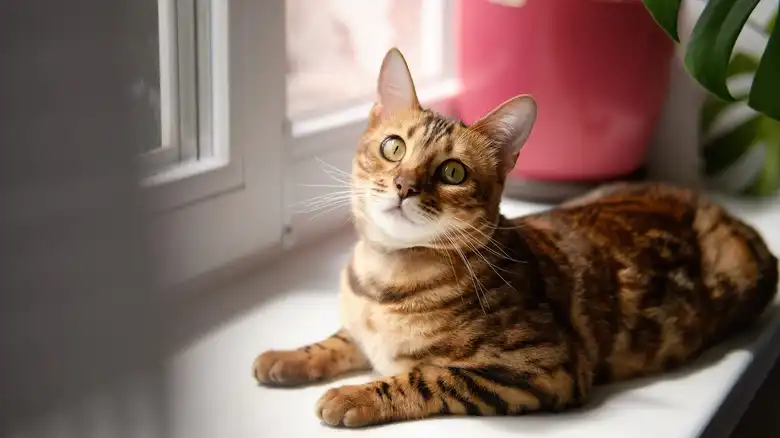
CatsCat BreedsOne Of The Most Stolen Cat Breeds Has Some Of The Rarest FeaturesByCynthia AnayaJan. 28, 2025 9:25 am ESTeugenehill/ShutterstockIf you were to do an online search for cats available for adoption, you would probably find dozens within a 20-mile radius of your home. Expand your search area, and the number will multiply. With millions of felines available at shelters and in foster homes all over the United States, finding and learning how to adopt a cat is relatively easy, but unfortunately, some cats still get stolen. And naturally, certain breeds get stolen far more than others. Case in point, the Bengal has become a popular target for theft because of its rare rosette pattern and monetary value.The rosette pattern is more common in leopards and jaguars, as opposed to the more traditional tabby cats with striped or swirled coats or the tuxedo, tortoiseshell, and other patterns seen in domestic cats. On a Bengal cat, this pattern typically features spots with a black or dark-brown outer ring and a lighter color in the center. The ground (background) color of a Bengal cat can be brown, cream/ivory, light tan, light gray, dark gray, pale blue-gray, or even black. Because of its uncommon, exotic appearance and this breed being relatively rare, a full-bred Bengal kitten can cost thousands of dollars.How Bengal cats' features differ from other cats' featuresEnder Schist / FacebookThe rosette coat pattern is usually the first attribute everyone notices when they see a Bengal cat for the first time. However, that's only one of this breed's rare features, compared to standard domestic cats. This breed's head, eyes, ears, and build also stand out, with these rare features stemming from the cat's hybrid origins.Although many people assume Bengal cats are named after Bengal tigers, the breed actually gets its name from the scientific name of its wild ancestor, Felis bengalensis, more commonly known as the Asian leopard. Interestingly, the exact timeframe that this species was created is debated. Some say that breeders crossed wild Asian leopards with domestic felines in the late 1800s to create the hybrid Bengal, while others say the breeding didn't begin until the mid-1900s. Regardless, this is a relatively new breed of cat.The Asian leopard is a small wild cat breed, weighing only between 8 and 15 pounds, like most domestic cats. However, the Asian leopard's small, round head; large, golden eyes; rounded ears; muscular build; and long body are distinctive to this species. These traits mirror many Bengal cat breed characteristics due to their Asian leopard DNA.The most popular and rarest Bengal cat colorsNils Jacobi/ShutterstockAs if the existence of the Bengal cat weren't enticing enough, the breed features more than seven color combinations. The most common is the brown ground color with brown and black spots, a black-tipped tail, and green or gold eyes. Other varieties include the silver Bengal (gray and black colors), the snow mink and snow sepia Bengals (cream and tan colors), and the black Bengal (black and dark-gray colors).The rarest Bengal ground color is blue. No, it's not the same shade of blue as the sky; it's more of a pale blue or slate-blue shade of gray. The spots of a blue Bengal are a darker shade of these blue-gray colors, and the tail is dark gray, while the eyes can be hazel, green, or gold. Blue Bengal cats can cost anywhere from $3,000 to $5,000 due to their rarity.
How To Stop Your Dog From Sleeping In Your Bed
Emily Smith
DogsDog BehaviorHow To Stop Your Dog From Sleeping In Your BedByLisa MaloneyMay 25, 2025 9:05 am ESTRobert Daly/Getty ImagesWho wouldn't want to cuddle with a dog in their bed? A lot of people, it turns out, and for a myriad of reasons: After all, these are the same creatures that, while beloved, also roll in poop and other stinky miscellany for fun. Even if they smell fine at the end of the day, they can still track dirt and debris onto your bed. It can also be a simple question of space: There might not be enough room for both a dog and humans in your bed, or maybe your dog moves around a lot at night and disturbs your sleep. Then, there's the scenario where a human who likes letting their dog into bed meets another human who doesn't enjoy having a dog in bed. The two humans fall in love and, you guessed it, the dog often ends up getting voted off the (bed) island and relegated to the floor.No matter your reasons for wanting to keep your dog out of bed, if it's already in the habit of snuggling with you at night, you're in for a battle of wills. However, you can tilt the battle odds in your favor by using a handful of tips and tricks to convince your dog that some other option is more comfortable, or simply more rewarding, than sleeping in your bed.Teach your dog to stay off the bed when it's a puppyAna Rocio Garcia Franco/Getty ImagesHave you ever seen funny videos of people who let their tiny, cute puppy sit in their lap when it's small — only to end up with a much larger dog that keeps doing the same thing once it's grown? The same trajectory applies to puppies and beds: If you let your cute little puppy share your bed when it's small, it's going to think that is how life works and keep doing the same thing once it's bigger.Make things easier on both of you by beginning the way you mean to continue: If you don't intend to let your dog sleep on the bed once it's grown, don't let it snooze there when it's a puppy, either. The odds are good that it won't even know what it's missing.What if you adopt a dog that's already out of puppyhood? The same principle applies: Be firm and consistent in your rules from day one. It may take some time to get the message across, and if that dog is already used to sleeping in beds you may need to apply a few other tips and tricks to get them to stop. Everything starts with establishing the boundaries around your dog and your bed, then sticking to those boundaries — and getting everyone else in the house on board, too, so you aren't sending conflicting signals.Give your dog its own bed so it won't want to sleep on yoursPixel-Shot/ShutterstockWhat if your dog is so fixated on sleeping on your bed that it just won't be deterred? It might need a bed of its own. In training, this is called substitution: If the problem isn't necessarily the behavior (in this case, sleeping) but the target of that behavior, give your dog a different target that you're okay with. For example, every time your dog goes to the dog bed of its own free will, give it a treat. It won't take long for it to learn that going to bed — that is, its bed, not yours — is an opportunity to be rewarded. You can also give periodic treats for staying in its bed or, if that's too lofty of a goal right off, break the process down into smaller parts. Your dog looks at the bed? Treat. It approaches the bed? Treat. It puts one paw on the bed? Treat. You get the idea.Of course, there's a catch: Every dog is different, and they can be picky about where they sleep. Maybe yours will prefer a heated dog bed, a memory foam dog bed, or even a quirky little sofa-style dog bed. The bottom line is to have a little patience, because it might take some trial and error for you to find the best dog bed that's more tempting than your own.Teach your dog to hop on and off the bed on commandHannah Bernabe/Getty ImagesIf you're grasping for control over your dog's bed-related behavior, try training it to hop on and off the bed on command. This accomplishes a couple of things. First, it gives you a way to get the dog off the bed when you want. Second, it teaches your dog that it has to wait for your command before getting on the bed, instead of just going for it whenever it wants. The actual process of training your dog to get on and off the bed is fairly simple: If your dog is on the bed, give the command for getting off — perhaps something like "off" or "out" — and toss a lure, such as a treat or a toy, away from the bed. When your dog follows and takes the lure, it is collecting the reward for having gotten off the bed. Similarly, if your dog happens to be off the bed already, sit on the bed and call it to join you. When the dog gets onto the bed, give it a treat or a toy as a reward. Consider laying a stash of treats or toys near the bed to use as rewards, too, so they're always handy the moment you want to reinforce your dog's obedience to get on or off. Spend time with your dog outside of your bedroomSupersizer/Getty ImagesAny time you want to change one of your dog's behaviors, it helps to examine their motivation for that behavior. Are they trying to meet a need and, if so, can you provide some other solution to that need? In the case of hopping on the bed, it's quite possible that your dog is coming into bed because it misses you and craves your attention, or at least your closeness. Training a dog whose attention needs aren't quite being met can be a real challenge, because any kind of engagement when it's doing the undesired behavior — even yelling or anger — can be seen as a reward. At the end of the day, it's still attention.If that's the case, you might be able to help meet that need by giving your dog more attention during the day. If you haven't already, block out time for playtime and interaction. That can be something as simple as going for walks or throwing a ball in the backyard. It can also mean working with your dog on obedience skills or tricks, or involving it in dog-specific activities like flyball that encourage togetherness while also letting it burn off a lot of energy. At the end of the day, togetherness and activity almost always lead to a happier, more relaxed dog, which then might not be so clingy once bedtime rolls around. Consider clicker trainingGrace Cary/Getty ImagesThere's one fatal flaw in training your dog within the bedroom environment: Effective training means having treats or toys on hand for immediate reward, but you might not want treat crumbs or slobbery dog toys in your bed. If that sounds like a familiar dilemma, consider clicker training your dog. The clicker gives you a little extra time by signaling to your dog that it has done the right thing, so you have a chance to get up and grab a treat or toy that's stashed a little further from your bed. You can even make your own dog clicker. It takes a little work to prep your dog for this style of training, but even beginners can start clicker training with the simple step of "charging," or priming, the clicker, or teaching your dog to associate it with a reward. All that really means is spending some time with your dog during normal, everyday activities, randomly clicking the clicker, and then immediately tossing your dog a treat. When priming, it's important that you vary what your dog is doing. If you consistently click and treat when your dog is doing a particular behavior, it might learn to associate the behavior with the clicker. With that said, it's well worth the effort to start clicker training, because once you're under way, you will be free of doggie treat crumbs and slobbery toys in your bed.Reward your dog when it stays off the bedJustin Paget/Getty ImagesIt might be tempting to yell at your dog when it hops onto the bed. That training tactic — somewhat confusingly known as positive punishment — might seem effective in the moment as it jolts your dog into jumping off the bed and maybe even expressing some contrition. However, your dog processes interactions through a different framework of reasoning than you do so, even if your dog understands that you're displeased, it may take the simple act of engagement and attention — even attention comes in the form of yelling — as a reward. That is just one of many reasons why you should use positive reinforcement, like giving your dog a reward such as a treat, praise, or time with a toy whenever it does what you want by either getting off or staying off the bed. Positive reinforcement helps build trust with your dog instead of making it scared of you and, at the end of the day, positive reinforcement has been shown to be much more effective for improving learning, deterring unwanted behaviors, and even improving your dog's overall quality of life. Hire a ringer to model good bed manners for your dogAnna-av/Getty ImagesIt's not a myth that some dogs are easier to train than others. If you've been diligently trying your best human-to-canine training methods and getting nowhere, it might be time to hire a ringer. A dog ringer, that is. Just as puppies will naturally mimic and follow the behaviors of older dogs, your naughty bed-jumping dog might take a hint from another dog's good behavior.Of course, it never hurts to invoke a little selfish motivation. Don't just use the well-mannered dog to demonstrate getting, and staying, off the bed. You can also use it for demonstrations that good behavior is rewarded. Or, to put it another way, let the naughty dog see you giving the good dog a reward any time it hops off the bed on command, or goes to its own bed on command — whatever behavior it is that you're trying to reinforce. Some dogs really are motivated by jealousy, and sometimes that, combined with a positive role model, is enough to get your dog to engage with the training process. Crate train your dog to keep it off the bedsophiecat/ShutterstockCrate training is one of the simplest ways of keeping your dog off the bed, but the principle runs a lot deeper than that: Your dog is instinctually a denning animal, and crate training a puppy or even a fully grown dog gives it the sense of having a den — a safe, calm place where it can relax during the day or go to bed at night. Once your dog is comfortable in its crate, it may not feel the need to be in your bed. Make your dog's crate more effective by turning it into a comfortable, dog-friendly space. Start by making sure the crate is the right size; it should be big enough for your dog to comfortably sit, stand, and turn around, but not have a lot of extra empty space. Add in a comfortable blanket or dog bed for it to lay on, and consider adding favorite toys to help keep your dog engaged with something other than being on the bed. Finally, some dogs benefit from having their crate covered; others are more comfortable without a crate cover. Close the door to keep your dog off the bedSpiderplay/Getty ImagesSimply shutting your dog out of the bedroom is the simplest way of keeping it off the bed. However, there are many reasons why this might not be the ideal solution — not least because some dogs that are absolutely determined to get into bed with you might chew through that door, or at least scratch, whine, and bark at it. For those dogs, you ultimately still need to identify and address the root cause of why they're so desperate to join you in bed.If you're okay with sleeping with your door closed and the dog respects the door as a barrier, maybe that simple solution is enough. Make sure you create a comfortable place for it to rest on the other side of the door, whether that's a dog bed or a crate, and then rest easy.For other dogs, closing them out might simply be a temporary stopgap to help ensure consistency — for example, keeping them off the bed until they've mastered the trick of hopping on and off the bed only on command. Or, you might close the door only while you're gone, to keep the dog from hopping on your bed while you're away. Ask a professional trainer for helpCapuski/Getty ImagesTraining your dog would be so much simpler if you could just sit it down and explain why you want it to stop hopping up on the bed. Yet, it doesn't work that way, even with the smartest of dogs, and if you happen to have a particularly stubborn or high-energy dog, it may be even harder to train than usual.Fortunately, you don't have to go into the struggle on your own: This is exactly the sort of situation where you should consider hiring a professional dog behaviorist or trainer to help you decipher what drives your dog to get onto the bed in the first place, then shape that behavior into something you're more comfortable with. Some dog owners seem reluctant to hire a professional trainer, perhaps because they feel that indicates their dog is bad, or maybe that the owner themselves is failing somehow. It might help to consider the trainer as if they are a professional coach who will help you identify the blind spots that are keeping you from communicating what you want to your dog — or, alternatively, the moments in which you didn't even realize you were accidentally reinforcing the wrong behavior. Bringing in a trainer does not mean you and your dog are failing; it just means you're making use of a resource that is available to help you succeed. Employ remote technology to keep your dog off the bedArtur Debat/Getty ImagesWho knows what your dog does while you're out of the house? Only it does — unless you bring in some technology to help you play detective. Consider installing a pet camera that lets you keep an eye on your dog while you're out. This can be especially helpful if you're battling to keep the dog off the bed for sanity or health reasons. Of course, you should disclose the presence of the camera to any other humans who might find themselves in that room.Some of the best pet cameras go a step further than just letting you see and hear your dog: They may have an audio feature that lets you speak to your dog — perhaps giving it commands to get off the bed or praising it for having done so — and a few pet cameras can even dispense treats for your pet upon your command. At the end of the day, the camera is just another tool to maintain consistency, although who knows, you might be surprised by what else you see your dog doing during the day.Whatever approach you take, stay consistentProstock-studio/ShutterstockGoing back to the idea of consistency: Once you have a plan for keeping your dog off the bed, it's vital that you stick to it — and give it some time to work. Dogs absolutely can and will learn different behaviors under the right circumstances but, much like toddlers, some dogs may test your boundaries to see if you're really going to enforce the rules — or they might simply need a little time to understand what it is you're asking of them.That consistency can be a real challenge if you're in a multi-person household. Do your best to make sure the whole family is on board for whatever plan you've concocted to keep your dog out of bed, whether it's crating the dog at night, closing doors, or practicing hopping on and off the bed on command. Remember that at the end of the day, you have only a limited ability to control the other people in your household. Your dog is smart enough to differentiate between the different household members' tolerances so, as long as you're consistent in your boundaries, the dog will at least learn to stay out of your bed — even if it might continue pushing the boundaries with other family members who are not as firm.
Snowshoe Cat Breed Characteristics
Jennifer Miller
Horse Meets Golden Retriever Puppy For The First Time And Their Bond Is Instant
Michael Jones
5 Telltale Signs Your Dog Has Separation Anxiety
David Johnson
Colorpoint Shorthair Cat Breed Characteristics
Emily Jones
The Rare Chihuahua Mix That's Both Loving And Loyal And Usually Is Found As A Rescue
Emily Smith
Take These Crucial Steps If Your Dog Keeps Begging For Food At The Table
Emily Miller

A Cat Breed With A Gene Mutation Is Known For Its Cute Folded Ears (And Health Problems)
Sarah Miller
CatsCat BreedsA Cat Breed With A Gene Mutation Is Known For Its Cute Folded Ears (And Health Problems)BySanaphay RattanavongMarch 15, 2025 11:25 am ESTMNStudio/ShutterstockScottish fold cats, also called "Lops," are famous for their distinctive folded ears, a trait that has made them one of the most popular cat breeds worldwide. However, behind this signature look lies a genetic mutation that affects more than just their ears. All Scottish folds with this trait carry a mutation in the TRPV4 gene, which weakens cartilage throughout the body. While this mutation creates their charming ear fold, it also causes Scottish fold osteochondrodysplasia (SFOCD) — a painful skeletal disorder leading to joint deformities, mobility issues, and early-onset arthritis. While all folded-ear Scottish folds develop some level of joint disease, the severity depends on whether the cat inherits one or two copies of the mutated gene. This condition doesn't just affect ear shape; it impacts the legs, paws, and tail, causing progressive joint damage. Researchers studying SFOCD identified the TRPV4 gene mutation as the root cause. Their findings confirm that this dominant genetic variant is responsible for the breed's skeletal abnormalities.While some breeders try to reduce severe cases by only mating Scottish folds with straight-eared cats, the health risks remain unavoidable. This has led to growing controversy, with animal welfare organizations questioning whether it is ethical to continue breeding Scottish folds. Austria, Belgium, and Norway, among others, have banned their breeding, citing welfare concerns. Recently, there have been calls for a similar ban in the UK. If you're considering adopting a Scottish fold, it's crucial to understand their lifelong medical needs and the challenges they may face.Understanding the hidden health challenges behind the cutenessARVD73/ShutterstockWhile it's widely known that a genetic trait causes the folded ears in the Scottish fold, this trait is also what leads to joint problems such as osteoarthritis. Fewer people realize that the mutation also raises the risk of other conditions. The soft, fragile ear cartilage can collapse the ear canal, trapping wax and debris and increasing the likelihood of chronic infections, inflammation, and, in severe cases, hearing loss. Beyond their ears, Scottish folds may develop jaw and skull malformations, resulting in crowded or misaligned teeth that can cause discomfort and raise the chances of periodontal disease.Weak cartilage can extend to the airways, sometimes leading to noisy breathing, mild respiratory distress, or trouble tolerating exercise — particularly in hot weather. Compounding these issues, Scottish folds often adopt a lower activity level, increasing the risk of weight gain. Obesity places extra stress on already delicate joints and may contribute to diabetes or heart disease. As felnes are highly adept at hiding their symptoms and thus make it hard for us to tell if cats are in any pain, we owe it to them to give these deeper considerations. For Scottish folds, in particular, the depth and breadth of TRPV4's impact can't be ignored.What should potential Scottish fold owners consider?oatawa/ShutterstockBefore bringing a Scottish fold into your life like Taylor Swift has (and her cats lead seriously amazing lives), it's important to reflect on the long-term responsibilities tied to their unique genetic challenges. First, consider whether you can financially commit to potential treatments, including arthritis management, repeated veterinary visits, and any number of hidden costs of caring for this specific pet. Next, assess whether you're prepared to adapt your home environment by adding ramps or padded surfaces to reduce strain on fragile joints. Finally, think about your reasons for choosing this breed. If your priority is a healthy companion with few medical risks, exploring other cat breeds — or even adopting a mixed-breed or senior shelter cat — may be the kinder and more practical option.While the folded ears of a Scottish fold can be irresistibly endearing, it's crucial to remember that this feature often comes at a high cost to the cat's well-being. Breeding purely for aesthetics can perpetuate genetic issues that lead to chronic pain and a diminished quality of life. Until future genetic research offers more reliable ways to mitigate these health problems, ethical breeding and fully informed ownership are paramount.Always consult your veterinarian before making changes to your pet's diet, exercise, or care. To find an accredited veterinarian in your area, you can search theAmerican Animal Hospital Association's online database.
Golden Retriever Meets A Deer On A Walk And His Reaction Is Hilariously Unexpected
Jane Smith
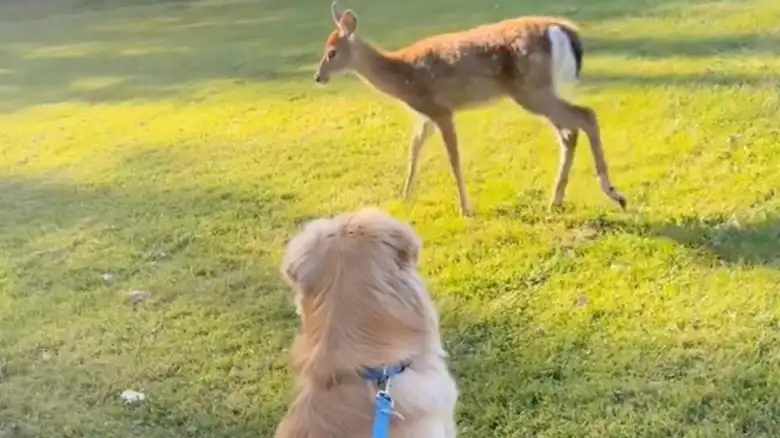
DogsDog BehaviorGolden Retriever Meets A Deer On A Walk And His Reaction Is Hilariously UnexpectedByCynthia AnayaOct. 25, 2025 9:25 am ESTthegoldenpupduke / TikTokWhen seeing a deer during a walk, most dogs would try to chase it or get closer. After all, any sudden movements from a wild animal could trigger their instinctive prey drive. Even without motion, many dogs would still want to approach it, driven by curiosity. But when a golden retriever named Duke saw a deer during his evening stroll, his reaction mirrored neither of these. Instead, he planted his behind on the grass and watched, and his human posted the comical moment on TikTok in September 2025.In the clip, we see what appears to be a white-tailed fawn on a rural road. The deer seems to have no fear of the person or fluffy golden retriever nearby. Moments later, the camera pans to Duke seated on the grass, looking in the other direction. "The deer's over here," his mother says. He immediately stands up and turns around, but after his mom warns him not to scare the deer, he hesitates for a moment, starts whining, and sits back down.Only a few feet separate the two animals at this point, and Duke just stares in awe. They lock eyes a few times, but then the deer continues walking in front of him, still fearless. The way deer see the world is beyond wild, and it's possible that Duke was the first dog the deer had ever seen. Or maybe it just didn't feel threatened. Either way, this peaceful encounter begs the question: Can dogs and deer ever be friends?Can dogs and deer be friends?Xeipe/Getty ImagesAlthough canine-cervine friendships are rare, they do exist. For example, in Indiana, a family dog and a wild doe were captured playing through a chain‑link fence. Both animals matched each other's motions, like they were long‑time pals (via WBRZ). In another video, this one from South Carolina, a terrier named Jane raced and frolicked with a deer in a meadow. "There was zero aggression or conflict," the owner said, and the two animals "played like they knew each other" (via FOX Carolina).But perhaps one of the most touching documented friendships, shared on TikTok in July 2024, involved a black rescue dog and a fawn in Florida. In the clip, the deer, named Ellie, nuzzled and relaxed beside the dog. Their bond was so consistent that the deer began greeting other animals on the farm as if part of the same pack. While such interspecies bonds aren't the norm, they show that under calm circumstances, animals can sometimes rise above instinctual boundaries. Still, these cases are exceptions, not guarantees. Always supervise any interaction between your dog and a wild animal. Deer can act defensively during mating or birthing seasons, but this clearly was not the case with Duke and the deer he encountered. If they saw each other again, it's possible that a friendship could blossom. Interested in more stories like these? Check out these 16 interspecies friendships that are too pure for this timeline or the cutest pet friendships of all time that made us cry from joy.
Why Dogs Love Drinking Out Of The Toilet (And The Easiest Ways To Prevent It)
David Smith
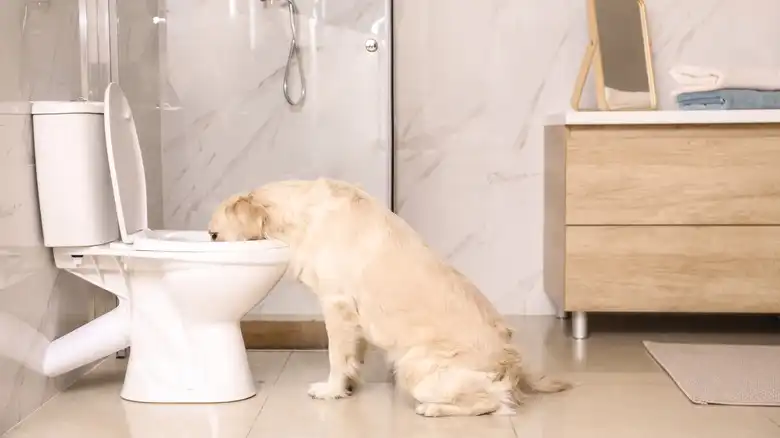
DogsDog BehaviorWhy Dogs Love Drinking Out Of The Toilet (And The Easiest Ways To Prevent It)ByCynthia AnayaJuly 23, 2025 9:25 am ESTNew Africa/ShutterstockPets are family members who behave like children in many ways, including making some unsanitary decisions. For example, dogs lick various parts of their bodies and eat their own vomit. Some dogs roll around in feces or mud in the yard, unfazed by the grimy appearance or foul odor that follows. Many dogs also love drinking from the toilet with no thoughts about what else it holds throughout the day. Usually, dogs slurp toilet water because of its cool temperature or because their water bowl is empty or dirty.Humans often prefer ice-cold or cool water in a glass over warm or room-temperature water, so it makes sense that a dog would do the same. Other dogs have no problem drinking lukewarm H2O from their bowl, so the toilet would never be their first choice. That is, unless they have no other options; in a home with multiple pets that share the same single drinking bowl, the water can run out or get dirty quickly. Plus, a rambunctious pet could accidentally bump the bowl or completely knock it over, causing water spillage.Aside from the gross factor, drinking from a toilet can be dangerous to a dog. This is due to the presence of bacteria and residual cleaning products that likely contain ammonium and pose a threat to pets. If your dog is a toilet water chugger, there are a few ways you can prevent this behavior.Ways to prevent your dog from drinking out of the toiletPhotoboyko/Getty ImagesOf course, the easiest and most obvious way to stop your dog from drinking toilet water is by keeping the toilet lid or bathroom door shut. Closing the toilet lid can provide additional benefits, so it's a good habit, even if you don't have a dog. Worried that your pup might scratch and damage the closed door in its attempt to enter the bathroom? Consider putting up a pet gate to keep your dog out of trouble.Another easy way to prevent your dog from drinking toilet water is by making your dog's intended water station more appealing. Opt for stainless steel or ceramic, both of which are easy to clean and sanitize. The latter offers a cooler surface than stainless steel, which helps keep the water cool for longer. If you find that the bowl empties quickly, either buy a larger one or a second one. Just remember to clean them regularly.You also have the option to add ice to your dog's bowl daily. Toss in some cubes every morning and refill as needed. Alternatively, place the bowl in the freezer overnight with a little bit of water in it — enough to coat the bottom. In the morning, fill the bowl up with fresh water. Make sure there's significantly more water in the bowl than ice. By implementing one or all of these tips, your dog shouldn't have a reason to visit the toilet anymore for hydration.
Crucial Ways A Dog With Dwarfism Is Different From A Small Breed
Michael Brown
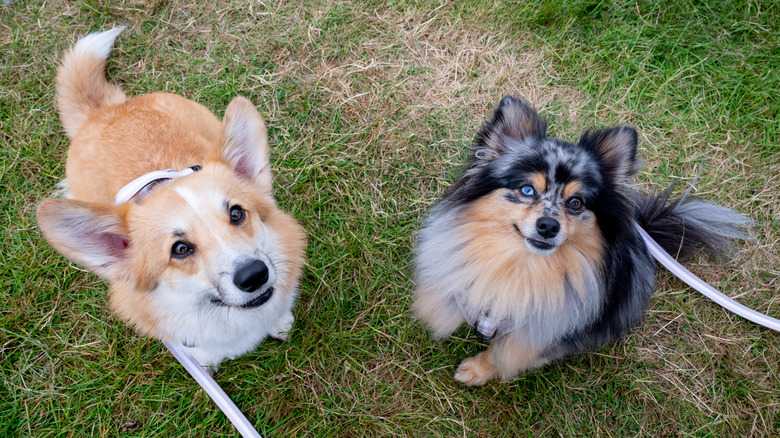
DogsDog BreedsCrucial Ways A Dog With Dwarfism Is Different From A Small BreedByCynthia AnayaJuly 3, 2025 9:25 am ESTShirlaine Forrest/Getty ImagesDogs are like humans in many ways, even genetically. In fact, we share about 84% of their DNA. Another lesser-known similarity is that canines can experience some of the same genetic mutations as humans, including dwarfism. Canine dwarfism is a hereditary condition caused by genetic mutations that result in disproportionate body size, unusually short stature, and short, thick legs. Some people mistake certain small breeds for dogs with dwarfism, but there are some key differences between the two: their body proportionality, risk of certain health issues, and genetic makeup.You've likely seen a dog with dwarfism, either in person or in a photo, perhaps without realizing it. Pembroke Welsh corgis, dachshunds, and basset hounds are among the breeds with the condition, hence their adorably stubby legs. French bulldogs and bulldogs also fit into this category. Some small dogs like pugs and Pomeranians may appear to have dwarfism, but the mutation is not a universal trait of either breed. While any dog can be born with dwarfism, there are distinct differences between a standard small dog and a breed with dwarfism.A dog with dwarfism has body disproportionsschankz/ShutterstockA dog with dwarfism differs from a standard small breed in the proportion of its body structure. For example, a dachshund has a long body that measures about 23 inches long when fully grown, but its withers height is only about 8 or 9 inches. The withers is the measurement between the highest point of an animal's shoulder blades to the ground.The beagle, in comparison, also measures about 23 inches long, but has a withers height of 13-16 inches. This means the legs of this small breed are several inches taller than the dachshund, even though their bodies are about the same length. Both breeds can also weigh about the same, but only the beagle's legs are proportionate to its body size; the dachshund's legs appear a bit too short for its long body.The Pomeranian, another small breed, weighs only about 5 pounds and stands about 9 inches tall, making it one of the smallest dogs in the world. To some, the fluffy fur creates the illusion of a body that's larger than it actually is, and legs that are shorter than they truly are. However, this dog's legs are actually proportional to its body size. A Pembroke Welsh corgi, in comparison, stands almost twice as tall as a Pomeranian, but its withers height measures only a few inches taller. The corgi has disproportionately short legs relative to their body size, due to its dwarfism.Dogs with dwarfism have an increased risk of certain health issuesJeff J Mitchell/Getty ImagesAnother difference between these two canine groups involve their health. Unfortunately, despite being desired breeds that are often intentionally bred to have these body disproportions, dogs with dwarfism carry an increased risk for various health issues, compared to small breeds without it. These issues occur all throughout the body, from the mouth to the skin to the legs.Some of the most common health problems that dogs with dwarfism — specifically pituitary dwarfism — experience include alopecia (patchy hair loss), hip dysplasia, luxating patella, and eye problems. This is due to their growth hormone deficiency. With achondroplasia dwarfism, which is the most common type, a dog might experience spinal problems, intervertebral disc disease, hemivertebrae, and other conditions. This type of dwarfism affects an entire breed while the pituitary type does not.While it's true that certain small dog breeds may also be at risk for different health problems, these issues aren't related to body disproportions or a genetic mutation. Plus, some of these conditions can be prevented, but for dogs with dwarfism, the risk stems primarily from their skeletal structure and DNA, not their lifestyle.The genetic makeup of a dog with dwarfism differs from that of small breedsMokuahi/ShutterstockGenetic makeup is a third area where dogs with dwarfism differ from small breeds. Analyzing the DNA of a dog reveals a lot more than its breed. In dogs with dwarfism, it reveals the genetic mutation responsible for the condition. What many people don't realize, though, is that just as there's a gene for dwarfism, there's one that stunts the growth in small breeds as well. However, it's not a mutation. Scientific American shared that "small breeds...all have a piece of DNA that seems to repress the IGF1 (growth hormone) gene and hence stunts their growth," based on samples from thousands of dogs from dozens of breeds.Dwarfism, in comparison, is caused by a mutation in the gene for the receptor responsible for bone growth and development. So although dogs with dwarfism, such as French bulldogs, may be of a similar size and appearance as small breeds like the Boston terrier, only one breed has a genetic mutation for dwarfism: the Frenchie. Interested in learning more about how these two breeds compare and contrast? Check out French Bulldogs vs. Boston Terriers: How Do They Differ?
Tiny 5-Pound Pomeranian Shows No Fear Chasing Black Bear Out Of His House
Sarah Johnson
One Of The Friendliest Dog Breeds Is Also Known For Its Incredible Swimming Skills
Sarah Smith
Rottweiler Rescued From Tent With Her 7 Puppies Transforms Into A Sweet Lapdog
Robert Johnson
Your Dog Giving You Its Chewing Bone Might Not Mean What You Think It Does
Michael Brown

Persian Cat Breed Facts & Information
Emily Johnson
French Bulldog Vs. Boston Terrier: How Do They Differ?
Emily Brown
How To Tell What A Lab Is Mixed With
Emily Miller
Mini Schnauzer Puppy Barking For The First Time Is Guaranteed To Make You Smile
David Miller
American Bobtail Cat Breed Characteristics
Sarah Jones

Munchkin Cat Breed Characteristics
Sarah Miller
2-Legged Shih Tzu-Yorkie Mix Won't Let Anything Keep Her Away From Her Blanket
Sarah Jones
Why You Should Think Twice Before Adopting A Corgi
Robert Johnson
Latest Articles
This Adorable Bernese-Golden Retriever Mix Is Almost Too Cute To Believe
David Williams
Is Your Dog Happy? 15 Signs Of A Pleased Pup
Michael Davis
What Is The Life Expectancy Of A Black Lab Mix With German Shepherd?
Jane Smith
Sphynx Cat Breed Facts & Information
Michael Williams
The Most Overrated Dog Breed, According To Vets
David Jones
Khao Manee Cat Breed Characteristics
Michael Miller
How To Spot The Difference Between A British Shorthair And A Russian Blue
Sarah Brown
Snoodles, Schnnodles, Snoodies! Characteristics Of Schnoodles
Jane Brown
Cats With Ear Tufts: 6 Types Of Cats With Long Ear Fur
Emily Jones
Cat Breeds That Stay Small
Sarah Smith